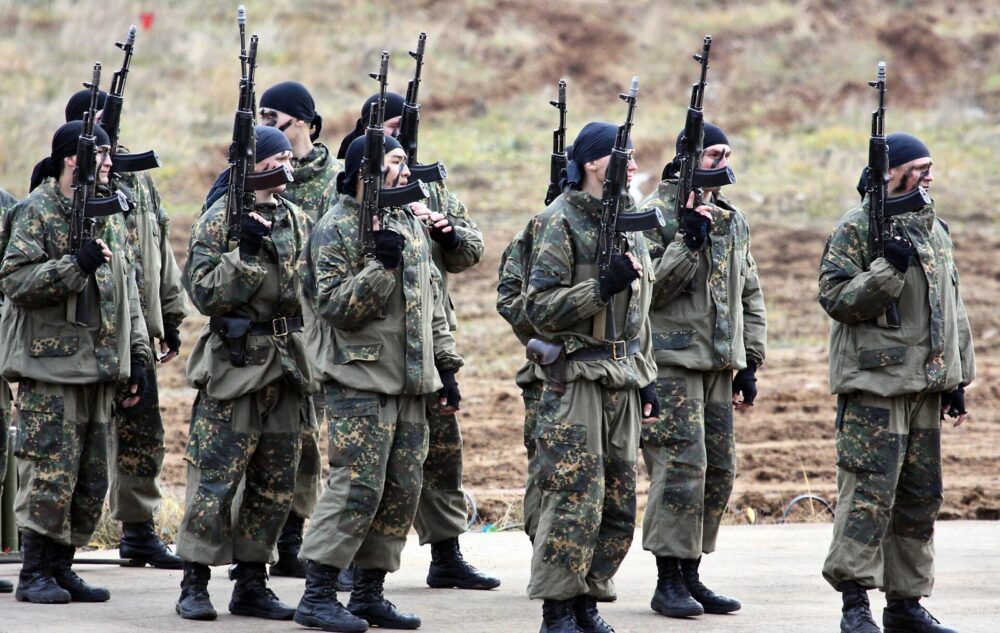
Izlom, Skol and Skol-M: Three Names, One Family?
Three names for one piece of printed cloth, and a trap built into the question: the names are not three synonyms, they are not three patterns, and at least…

The stories behind the world’s military camouflage patterns — from German WWII and Soviet leaf to ERDL, UCP, MTP and today’s digital prints.
Three names for one piece of printed cloth, and a trap built into the question: the names are not three synonyms, they are not three patterns, and at least…
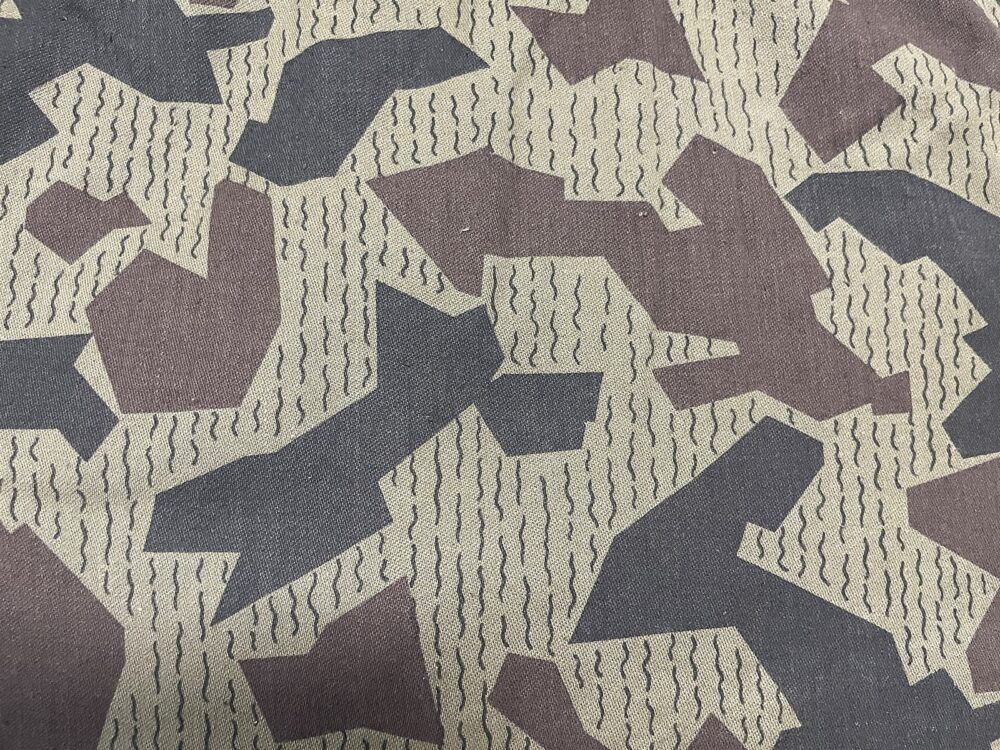
Bulgarian splinter is a foreign label. It is what collectors, illustrators and surplus dealers outside Bulgaria call a family of angular camouflage prints…

There is a version of the Leibermuster story that circulates comfortably: a brilliant late-war design, issued to the Waffen-SS, worn across the collapsing…

In December 2025 the Slovak Ministry of Defence presented a new combat uniform for the professional armed forces, designated Personal Clothing System –…
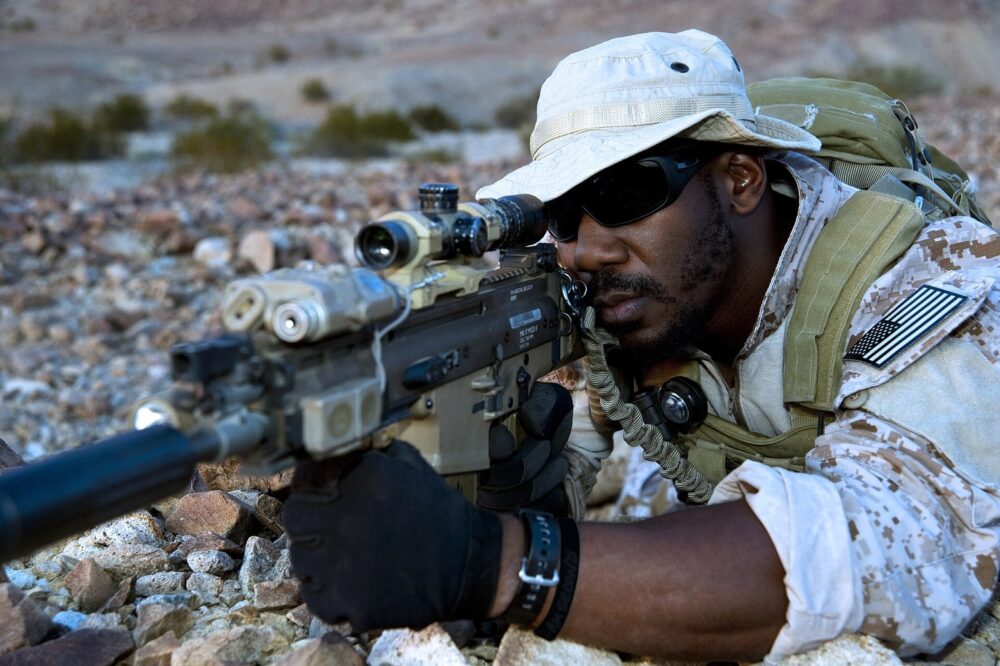
Two U.S. Navy camouflage patterns dominate search results, marketplace listings and forum arguments, and almost every argument starts with the same mistake…

The six-colour desert pattern, “chocolate chip”, was a decade-old specialist uniform when the 1990-91 Gulf War turned it into the most photographed camouflage on earth. What it is, where it came from, and why other desert patterns are so often mistaken for it.

Frog skin and duck hunter: what the 1942 US camouflage uniform’s record does and does not show, and how to tell wartime cloth from later copies.

The Waffen-SS pea dot was printed, not drawn: its round grains are the raster of a five-colour fabric press. The first non-reversible SS camouflage, 1944.

How South Korea’s digital granite pattern was designed, why soldiers called it the steam-cooker uniform, and why no replacement has been approved.

Most camouflage patterns are asked to hide a soldier in one kind of landscape. France’s pale mountain pattern is asked to hide one in two at once: the white…