16
Sep
Sep
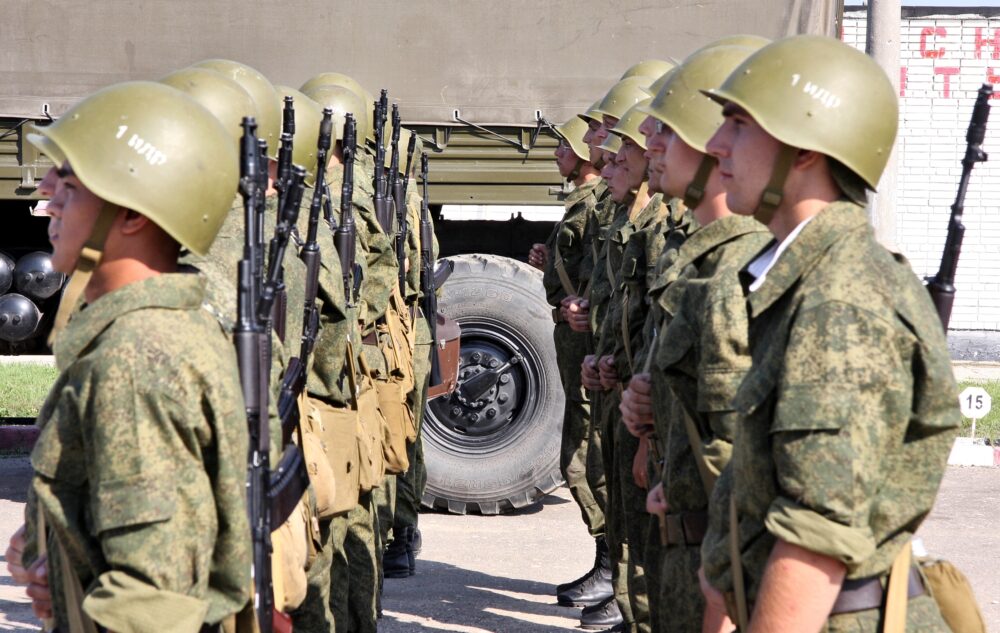
EMR – Digital Flora – is the pixel pattern that unified the Russian armed forces, and its designers trace its logic not to CADPAT but to Germany’s Flecktarn. The trap in the name, explained.

EMR – Digital Flora – is the pixel pattern that unified the Russian armed forces, and its designers trace its logic not to CADPAT but to Germany’s Flecktarn. The trap in the name, explained.

Splittertarn was the most widely distributed German WW2 camouflage, but it came as a Zeltbahn tent, not a uniform. The splinter pattern and its long legacy.

The Polish wz. 93 Pantera – a special-forces camouflage turned into a national uniform after a presidential appearance – has outlived its own replacement.

The parachute smock that carried brushstroke camouflage to the airborne forces: its three patterns, its makers, and the legend behind its name.

British DPM, Disruptive Pattern Material, clothed the British Army and its allies for nearly 50 years. This is the story of the four-colour temperate pattern and of the desert DPM Britain built but never wore.

The Chinese PLA Type 07, a six-colourway digital family fielded in 2007, and its replacement by the terrain-based Xingkong.

Desert Night Camouflage, the strange two-colour grid issued to US troops in the Gulf War. Why it exists, how it was designed to defeat Soviet night vision, and why it became obsolete.

Danish M84 Pletsløring, a three-colour Flecktarn-derived spot pattern that served the Danish army for over 30 years.

A practical guide to the names, nicknames, abbreviations and family labels used for Soviet and Russian camouflage, and how they actually relate to one another.

The full German World War II camouflage family – Splittertarn, Platanen, Rauchtarn, Sumpf, Erbsenmuster – and the myths that surround it.