13
Oct
Oct
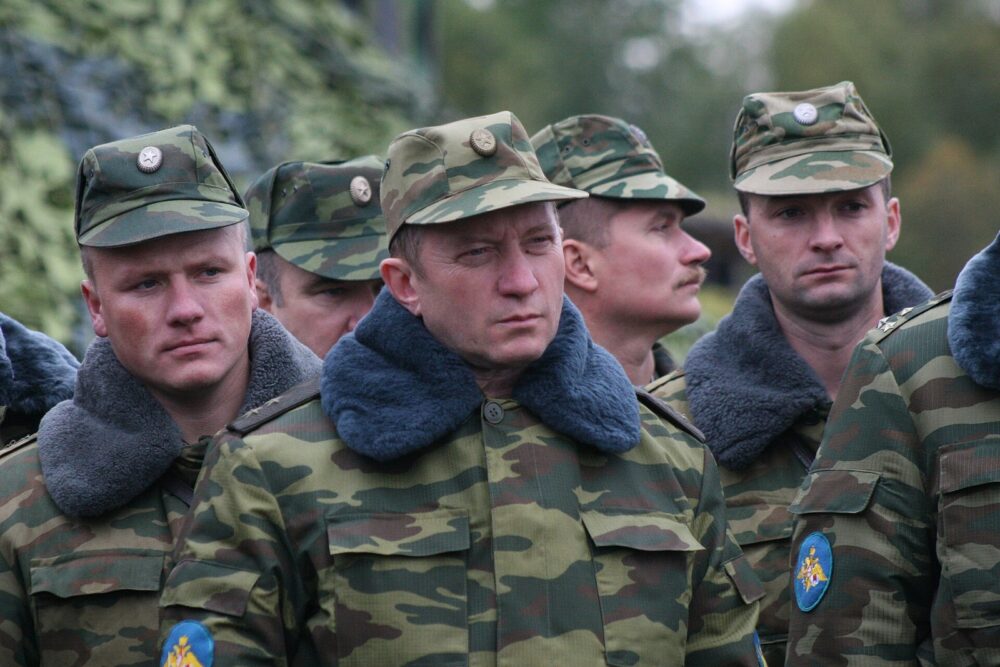
Russian soldiers called VSR-98 camouflage “watermelon”, a nickname older than the pattern: it described a stripe-dominated print of the early 1990s, and a qualifier told the two apart.

Russian soldiers called VSR-98 camouflage “watermelon”, a nickname older than the pattern: it described a stripe-dominated print of the early 1990s, and a qualifier told the two apart.
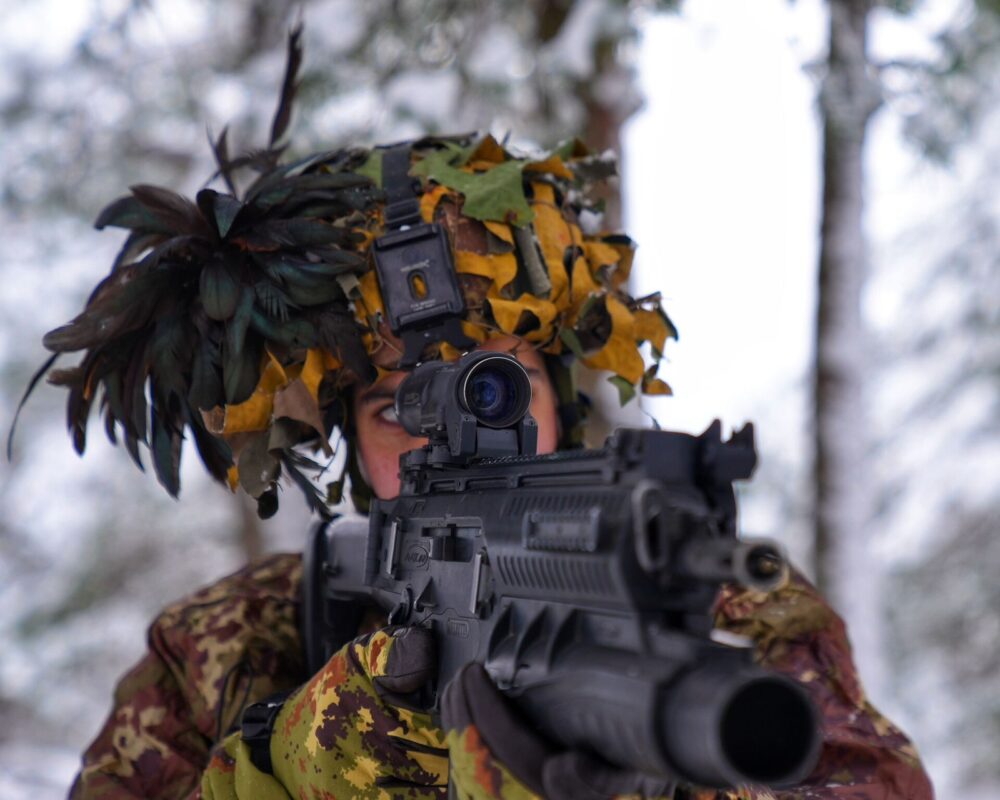
One of the most widely copied camouflage designs in Italian service was not designed as clothing at all. The pattern adopted in 1929 was printed on the…

Between 2001 and 2004 the United States Marine Corps did something that, as far as the record shows, no other service had done with a camouflage pattern: it…

Strichtarn is the most minimal camouflage pattern ever to dress a European army for a quarter of a century. It has no blotches, no leaf shapes, no sprays of…
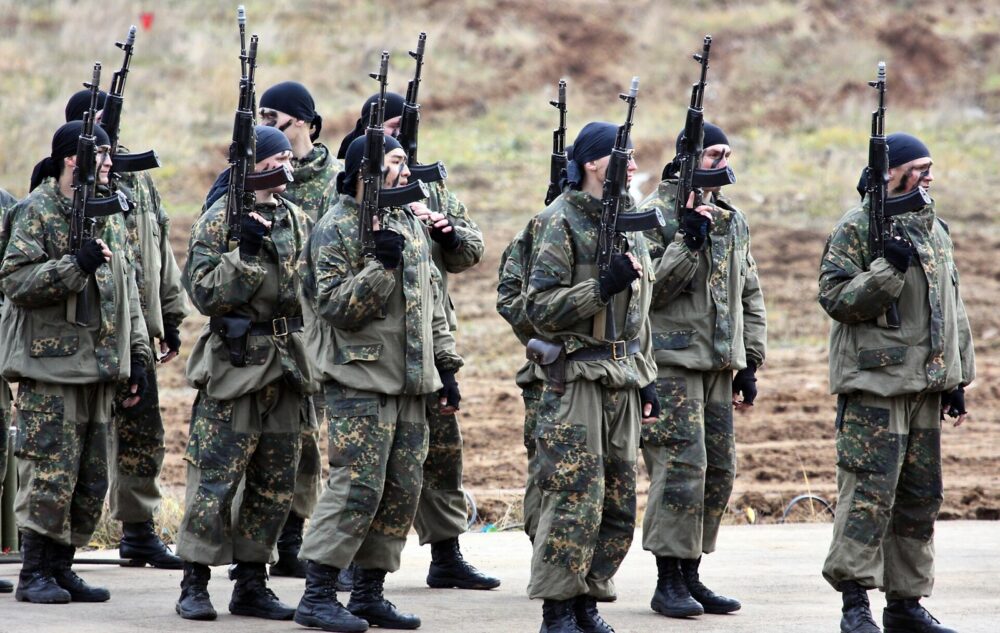
Three names for one piece of printed cloth, and a trap built into the question: the names are not three synonyms, they are not three patterns, and at least…
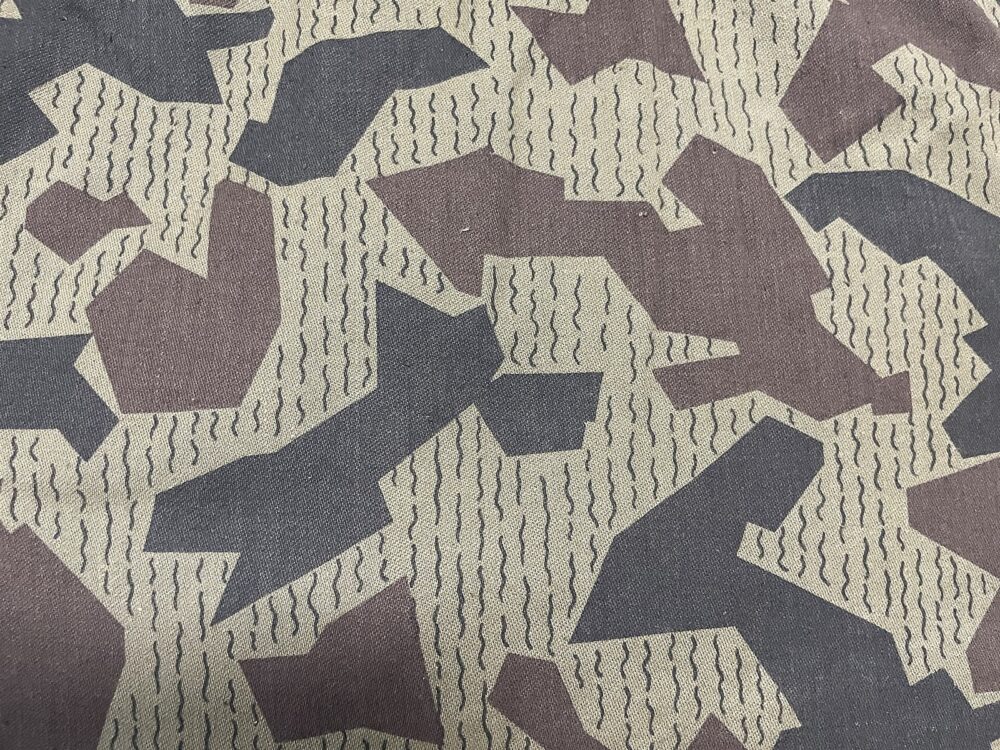
Bulgarian splinter is a foreign label. It is what collectors, illustrators and surplus dealers outside Bulgaria call a family of angular camouflage prints…

There is a version of the Leibermuster story that circulates comfortably: a brilliant late-war design, issued to the Waffen-SS, worn across the collapsing…

In December 2025 the Slovak Ministry of Defence presented a new combat uniform for the professional armed forces, designated Personal Clothing System –…
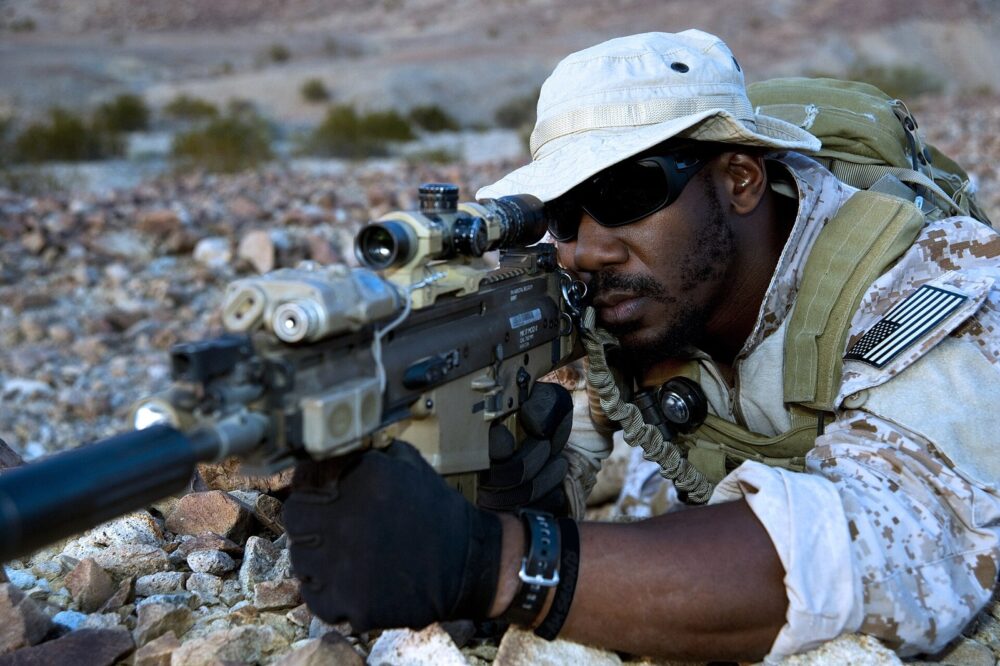
Two U.S. Navy camouflage patterns dominate search results, marketplace listings and forum arguments, and almost every argument starts with the same mistake…

The six-colour desert pattern, “chocolate chip”, was a decade-old specialist uniform when the 1990-91 Gulf War turned it into the most photographed camouflage on earth. What it is, where it came from, and why other desert patterns are so often mistaken for it.