23
Oct
Oct
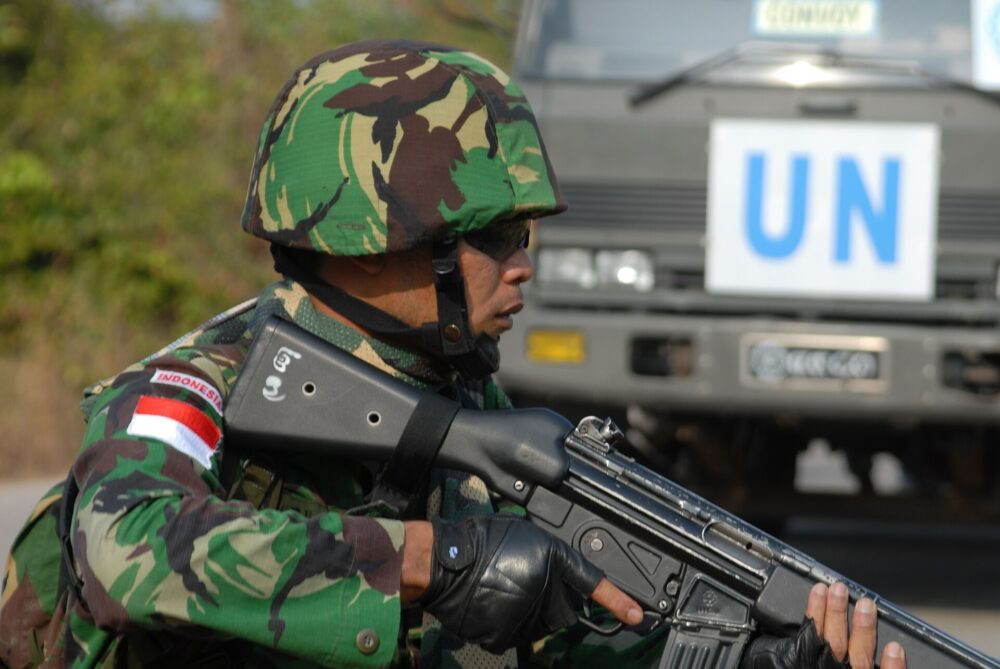
Indonesia’s armed forces gave a whole family of uniforms the name of camouflage itself. The Malvinas DPM dressed the army for four decades, and took its name from a war Indonesia never fought.

Indonesia’s armed forces gave a whole family of uniforms the name of camouflage itself. The Malvinas DPM dressed the army for four decades, and took its name from a war Indonesia never fought.
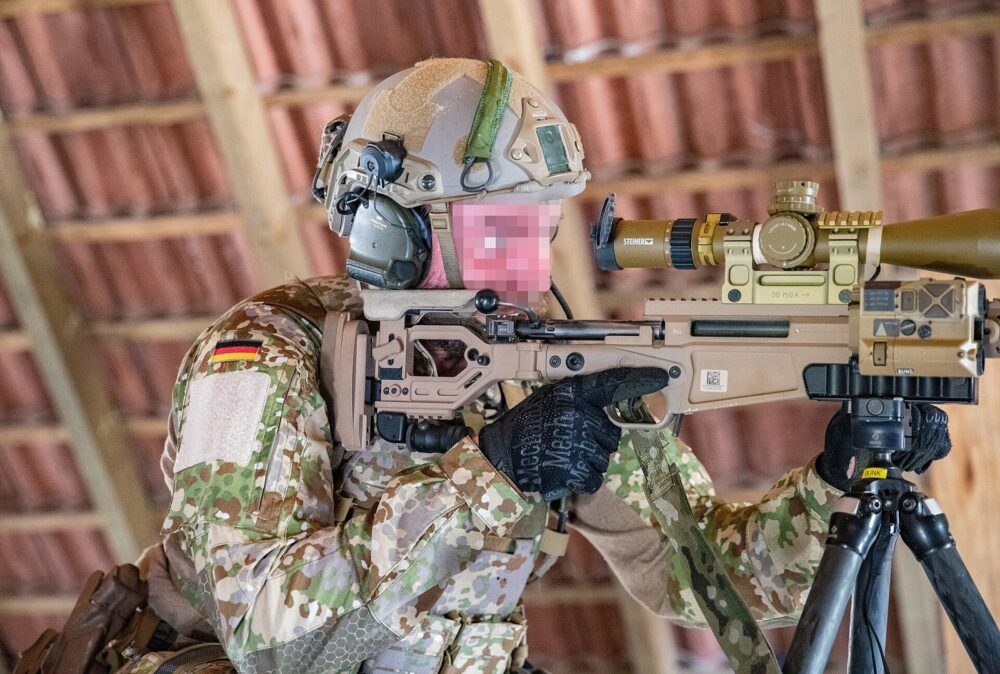
For thirty years the German armed forces answered the camouflage question with a fork in the road. Fight in the forests of Central Europe and you wore…
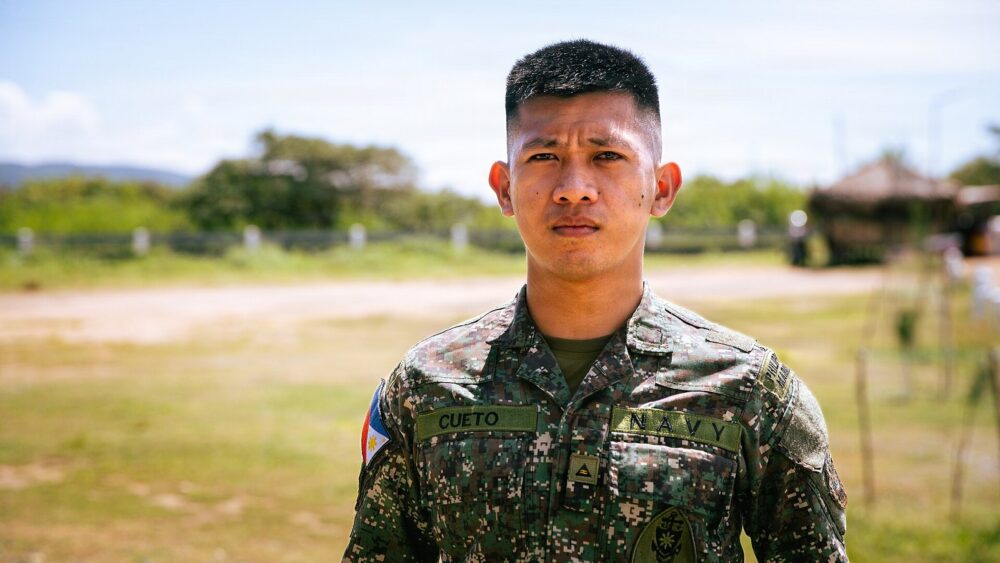
PHILMARPAT is a camouflage pattern with a well-known name and a surprisingly thin paper trail. The reference works that cover the subject state that the…

From 2007 to 2021 the US Air Force wore a pale, pixelated tiger stripe that no other service had. The Airman Battle Uniform promised airmen a uniform they would never have to iron, and it delivered, but it failed the concealment test its own observers set for it, and in 2014 Congress ended the era of service-specific camouflage that had produced it.

Two patterns, almost the same colours, overlapping dates, and a name that changes depending on who is writing: Sumpfmuster 43 and Sumpfmuster 44 are among…

In 1938 the Red Army adopted its first camouflage suit to be printed and made in quantity: a two-tone garment carrying large, irregular reddish-brown blobs…
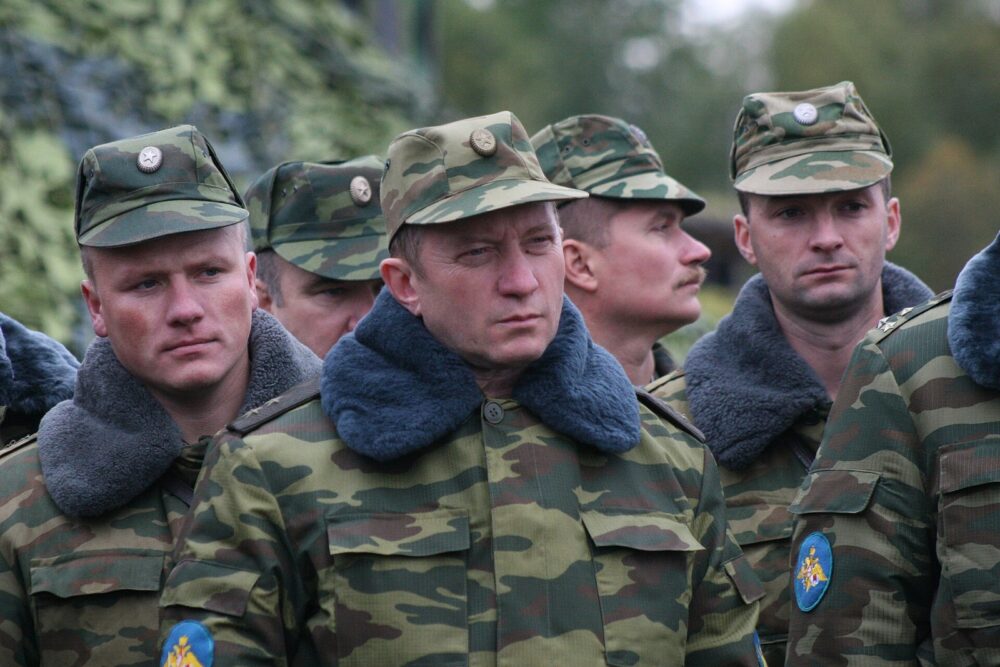
Russian soldiers called VSR-98 camouflage “watermelon”, a nickname older than the pattern: it described a stripe-dominated print of the early 1990s, and a qualifier told the two apart.
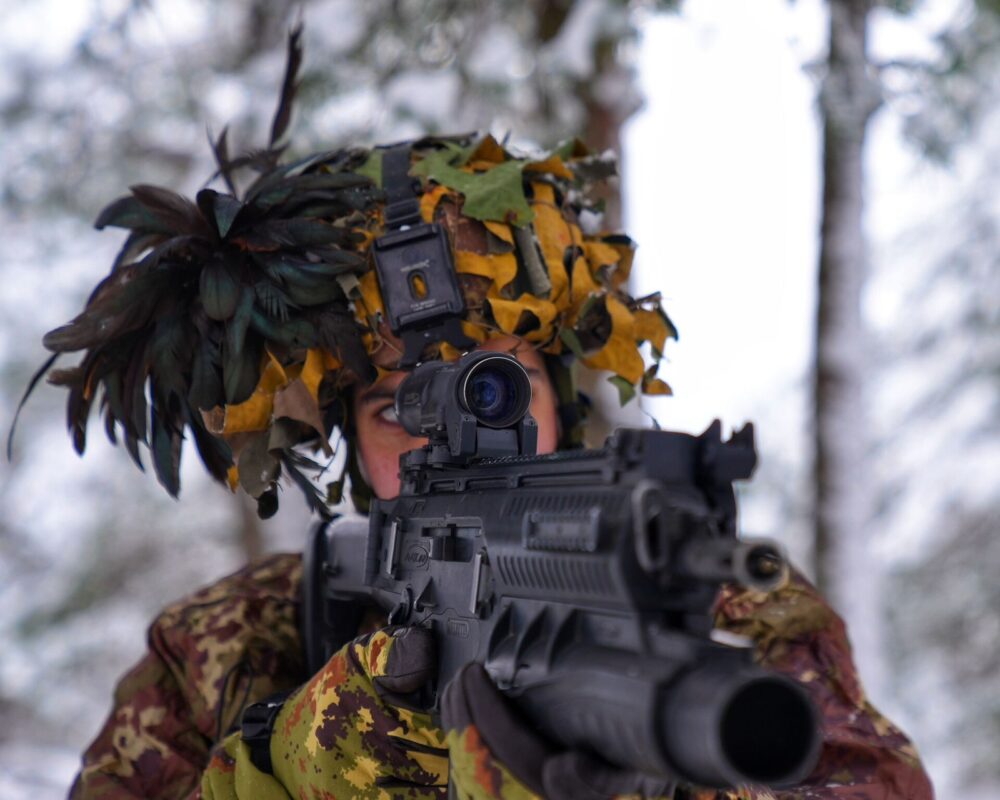
One of the most widely copied camouflage designs in Italian service was not designed as clothing at all. The pattern adopted in 1929 was printed on the…

Between 2001 and 2004 the United States Marine Corps did something that, as far as the record shows, no other service had done with a camouflage pattern: it…
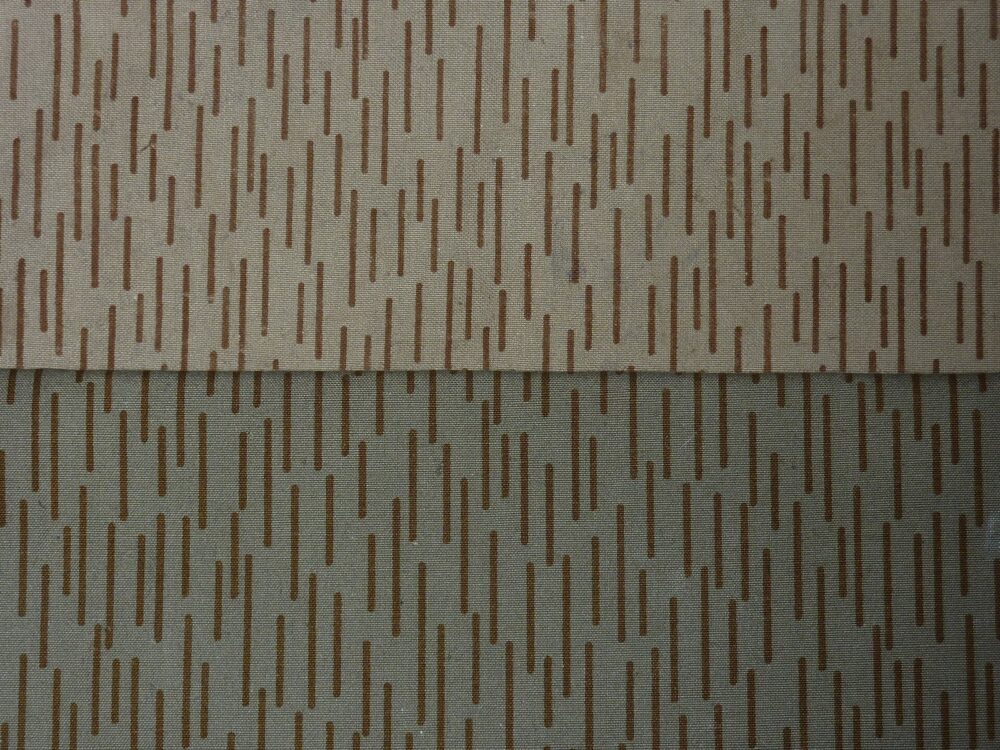
Strichtarn is the most minimal camouflage pattern ever to dress a European army for a quarter of a century. It has no blotches, no leaf shapes, no sprays of…