
07
Sep
Sep
Danish M84 Pletsløring — a three-colour Flecktarn-derived spot pattern that served the Danish army for over 30 years.

Danish M84 Pletsløring — a three-colour Flecktarn-derived spot pattern that served the Danish army for over 30 years.

A practical guide to the names, nicknames, abbreviations and family labels used for Soviet and Russian camouflage — and how they actually relate to one another.
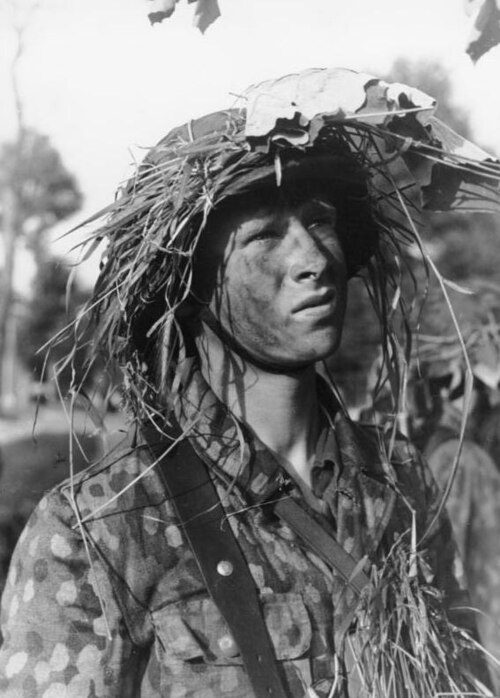
The full German World War II camouflage family – Splittertarn, Platanen, Rauchtarn, Sumpf, Erbsenmuster – and the myths that surround it.

Belgian jigsaw camouflage — the puzzle pattern used by the Belgian Army from 1956 to 2022. Design origin, generations (m/56, 1999, desert), African variants, and why Belgium switched to Multicam.

CADPAT — how Canada created the first operational digital camouflage: four variants, 1990s testing, its influence on MARPAT, and why it is now being replaced.
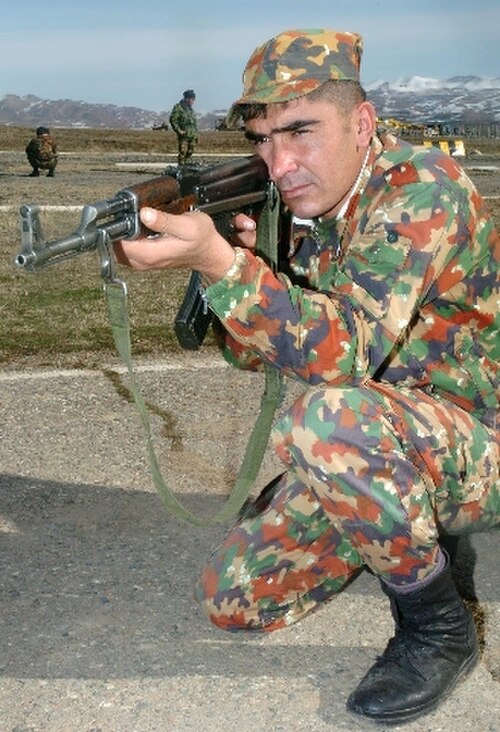
Swiss Alpenflage — the six-colour Leibermuster-derived cold-war pattern, nicknamed the four-fruit pyjama, that dressed a neutral army for three decades.

Czech vz.95 — the ERDL-derived leaf pattern conceived for Czechoslovakia in 1985 and revived as the standard of a new NATO member.
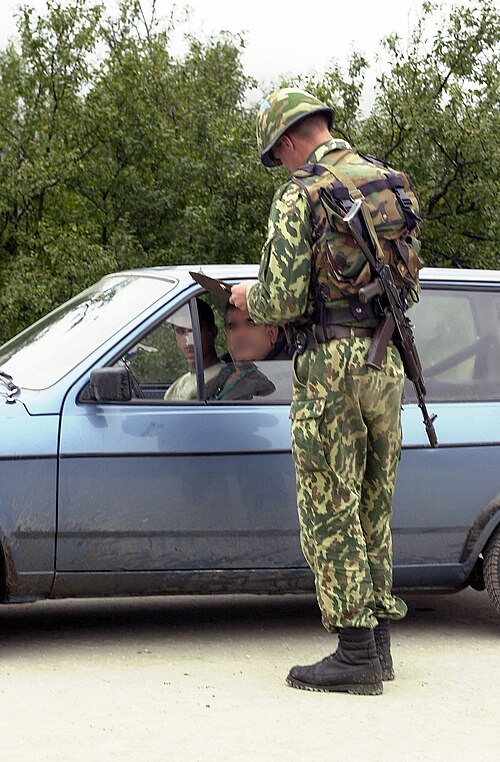
Russian VSR Dubok — the first broadly issued Russian camouflage, amid a galaxy of hard-to-tell-apart post-Soviet patterns.
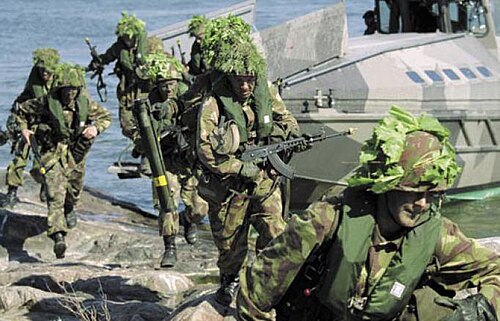
The Finnish M05 camouflage family — M62, M91 and M05 — shows Finland’s season- and terrain-specific approach to camouflage, tuned for boreal summer, winter, cold and desert.

The Swedish M90 splinter camouflage, scaled from a Cold War airfield design, hides soldiers at a kilometre and became a national symbol.